















(Commentary..)


© Copyright 2007 Paul Davis, All Rights Reserved.
Terms of Use
|
Privacy Policy

The reality of war..
'By far my most favorite scene and definitely the heart of the series is this little seqeunce here, essentially whats going on is the character is ordered to kill innocent civilians, of course the character isn't doing this but you the audience, which is what makes the whole concept
Glory of war..
'This whole scene is the first part of the glory of war duo, the pan movement moving up, is later seen at the graveyard scene where the camera pans up again, but this time showing the soldiers as dead bodies. It essentially there to show war in a more realistic way, my personal hate in games is the dehumanisation of the
Return to the Intro...
'This scene parallels the beginning intro scenes, as the Corps return to planet Char, it's another movie device of 'leaving and returning'. By this point I wanted the audience to be onboard with the Corps ready to kick some demon-ass.'
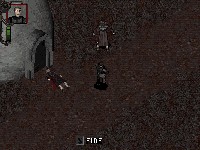
of the games so powerful I think, I always come out of this scene with a feeling of guilt, the whole point of the scoring system is that you don't actually have to shoot the civilians, which in effect would change the past, and thereby change the future, it's the whole beyond time/space thing going on. Another point worth mentioning is that the civilians don't actually scream when they die theres also very little blood when you kill them, this was all to take away the players enjoyment of killing them purposely. Again it's pretty much showing games for what they are, which is essentially killing simulations, for better or worse.'

enemies, and the justifying of killing, for the sake of fun. Which is why the enemies in this game are portrayed as demons, and of course in the sequel you discover they were once human too, so the reverse approach is taken, the 'humanisation' of enemies.'

Wheres the enemy?
'The whole idea of the enemy not being there was just a device to build up tension, and to maybe create a spooky atmosphere about the whole situation.'
